Intelligence Assessment
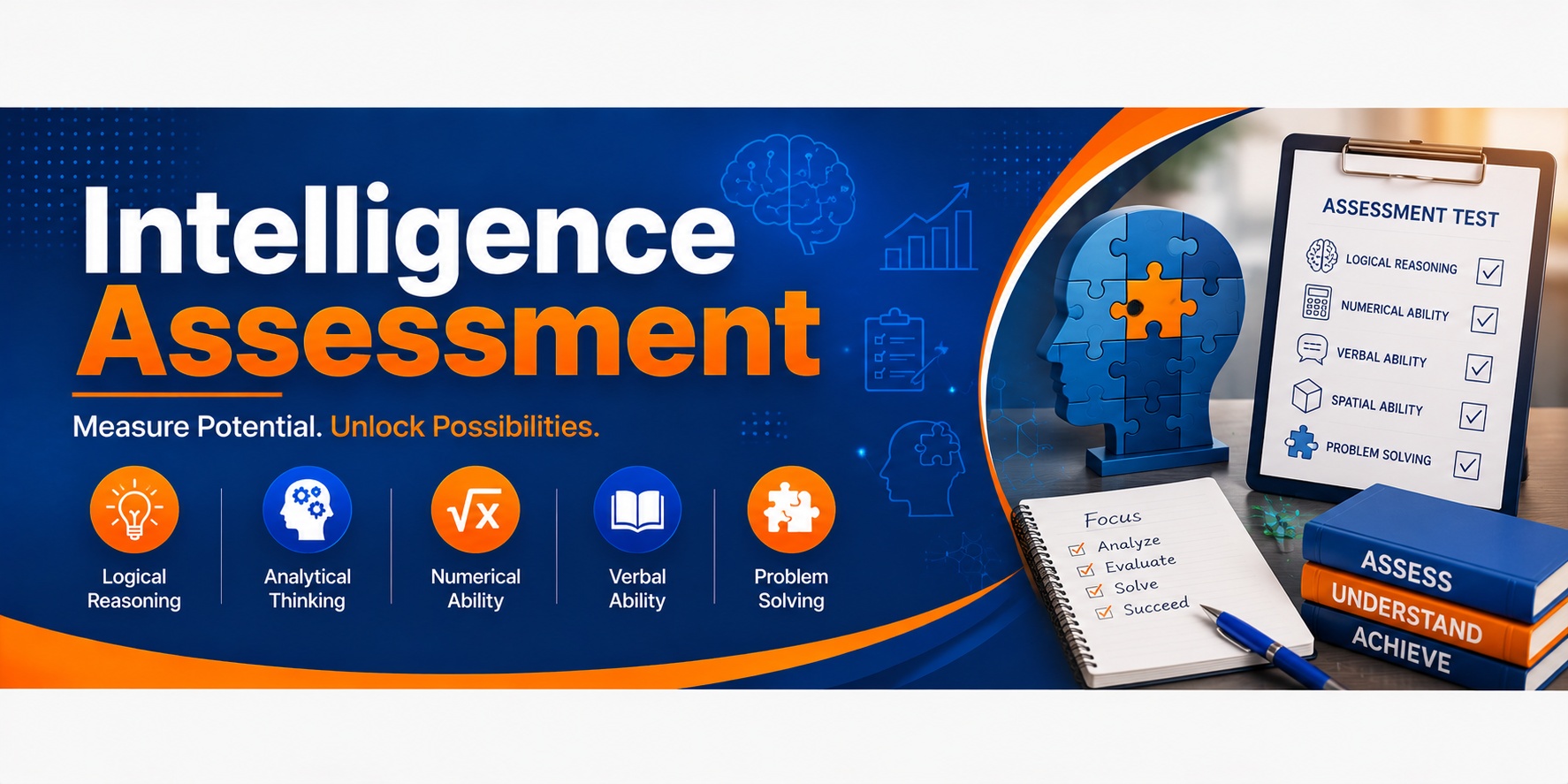
Intelligence Assessment is the systematic process of evaluating cognitive abilities, reasoning skills, problem-solving capacity, learning potential, and intellectual performance using scientifically validated assessment methods and standardized tools. It plays a significant role in education, psychology, talent identification, workforce development, and organizational decision-making. By providing objective insights into an individual's cognitive strengths and areas for development, intelligence assessment supports informed educational, clinical, and professional decisions while promoting personal growth and effective learning strategies.
Industries That Use Intelligence Assessment
Intelligence assessment is widely applied across numerous sectors, including:
-
Education and Academic Institutions
-
Psychology and Mental Health Services
-
Human Resources and Talent Management
-
Healthcare and Clinical Practice
-
Government and Public Services
-
Defense and Security Organizations
-
Corporate Training and Leadership Development
-
Research and Academic Institutions
-
Recruitment and Staffing Agencies
-
Organizational Consulting
Skills and Competencies Gained
Learning intelligence assessment develops valuable professional competencies, including:
-
Cognitive assessment and evaluation techniques
-
Data interpretation and analytical reasoning
-
Psychological testing principles
-
Critical thinking and evidence-based decision-making
-
Report writing and professional documentation
-
Ethical assessment practices
-
Communication and feedback delivery
-
Research methodology and statistical analysis
Personal and Professional Benefits
Mastering intelligence assessment offers numerous long-term advantages, including:
-
Enhanced analytical and evaluation skills
-
Improved decision-making based on objective evidence
-
Stronger understanding of individual learning abilities
-
Greater confidence in educational and organizational assessments
-
Expanded career opportunities in psychology, education, and human resources
-
Continuous professional growth through research and practical application
Career Opportunities
Professionals with expertise in intelligence assessment can pursue roles such as:
-
Psychologist
-
Educational Psychologist
-
Psychometrician
-
Human Resources Assessment Specialist
-
Talent Management Consultant
-
Learning and Development Specialist
-
Research Analyst
-
Educational Consultant
-
Organizational Development Consultant
-
Workforce Assessment Specialist
How to Excel in Intelligence Assessment
To become proficient in intelligence assessment, professionals should:
-
Study psychology, cognitive science, and assessment methodologies
-
Earn recognized certifications in psychometrics or psychological assessment
-
Gain practical experience administering and interpreting standardized assessments
-
Stay updated with advancements in cognitive research and assessment technologies
-
Follow ethical guidelines, professional standards, and confidentiality practices
-
Develop strong analytical, communication, and reporting skills
-
Utilize digital assessment platforms and data analysis tools effectively
Future Scope
The demand for intelligence assessment professionals continues to grow as organizations, educational institutions, and healthcare providers increasingly rely on evidence-based evaluations for recruitment, talent development, educational planning, and psychological services. Advances in digital assessment technologies, artificial intelligence, and data analytics are further enhancing the accuracy and accessibility of cognitive evaluations. As lifelong learning, workforce optimization, and personalized education become global priorities, Intelligence Assessment will remain a highly valuable skill with excellent career opportunities and long-term professional relevance across multiple industries.
